


Letter of the week activities are a fun and simple way to introduce the alphabet to young learners. I used this approach to sucessfully teach all five of my boys their ABCs and more.
I’m so excited to finally share these hands-on ideas, creative activities, and movement-based learning that helps kids explore each letter. I credit these relaxed learning ideas with giving us such a positive start while building a strong foundation. I hope these printable resources and tips help you make your letter of the week routine easy and enjoyable.
Why I Love Letter of the Week Activities for Learning Fun
When my boys were little, one of my favorite ways to explore the alphabet was through letter of the week activities. Instead of rushing through worksheets or relying on screens, we focused on one letter at a time with simple hands-on fun.
With each of my boys, we mixed things up with crafts, movement, tracing, and everyday conversations about letters. Some days were quick and simple, while other days turned into full learning adventures.
Life with five boys could get busy so it was a relief to have a comfortable and enjoyable routine to use. I didn’t have to scramble for ideas or themes to focus on. We simply let the alphabet guide us, letter by letter. I wove in other concepts (like colors, shapes, and numbers) and it really helped me build a system that I could feel good about.
If you’re looking for an easy way to introduce the alphabet at home or in the classroom, a letter of the week routine can be a wonderful place to start.
Why Letter of the Week Activities Work So Well
One of the things I love about letter of the week activities is how simple and focused they are. Instead of trying to cover the whole alphabet at once, kids get the chance to explore one letter at a time through different types of activities.
This approach gives children plenty of opportunities for repetition without boredom. They hear the letter sound, trace it, decorate it, build it with materials, or even move their bodies while learning it. Each activity reinforces the same letter in a new and engaging way.
Over time, this systematic approach helps kids become familiar with letters in a natural way. They start to recognize the shapes and notice beginning sounds in everyday words.
Best of all, letter of the week learning mixes play with early literacy skills, which is really how young children learn best.
How We Used a Simple Letter of the Week Routine at Home
I thought it might be helpful to share how my boys and I went about our letter of the week activities. Although we had a routine, I would change things up based on my energy level and mood, as well as how that boy was doing that day.
I used letter of the week routine as a gentle way to explore the alphabet. Instead of feeling school-ish or pressured, we’d focused on one letter at a time and enjoyed simple activities throughout the span of a week.
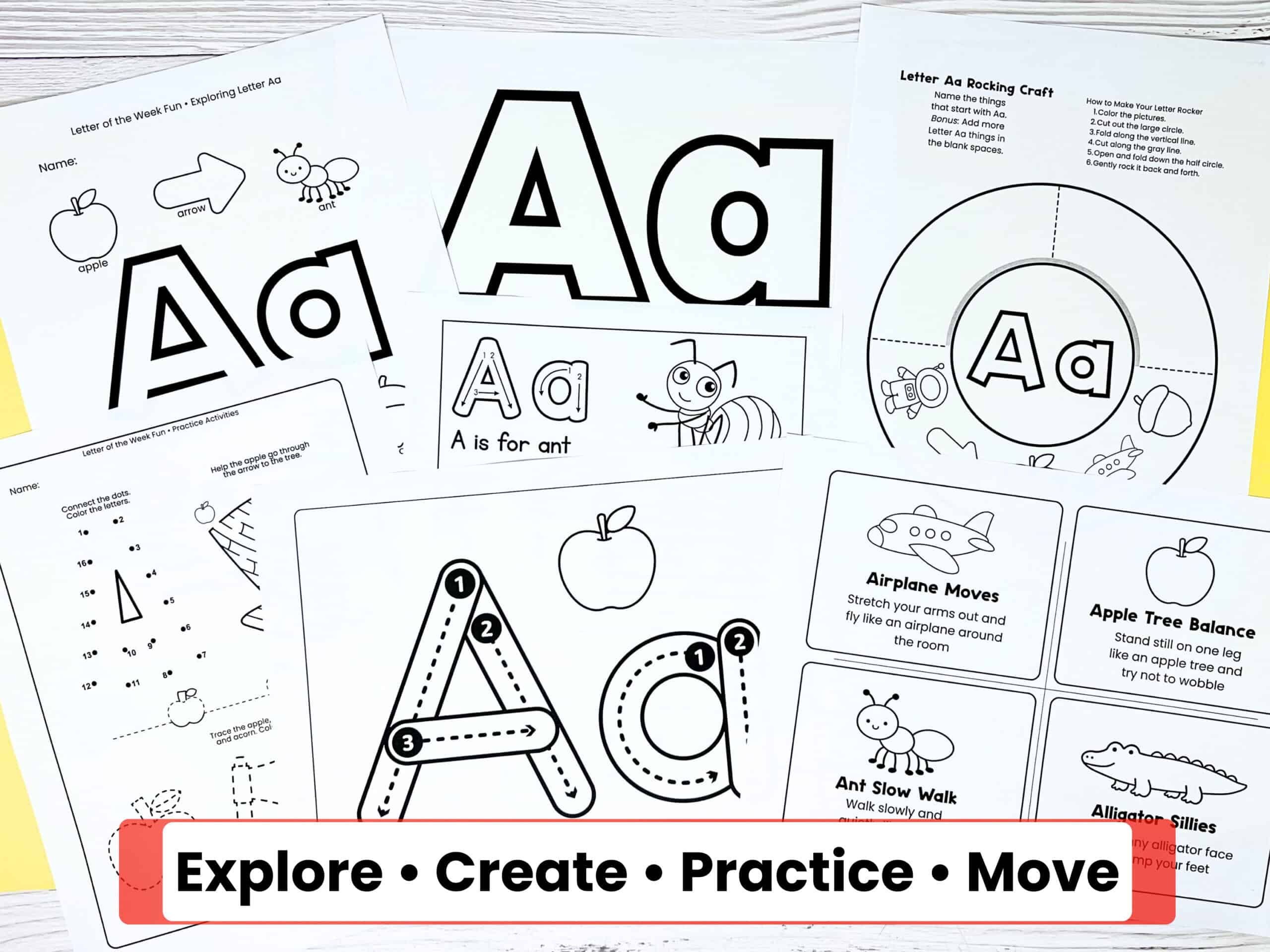
Some days we kept things very easy with a little tracing, coloring, or decorating a big letter. Other days, we’d enjoy hands-on fun (like crafts, building letters with materials, or playing movement games).
Books, conversations, and everyday moments were also part of the experience. We’d notice a letter while reading a favorite story, spot it on a sign while out and about, or think of silly words that started with the “star letter” (what we called the letter for that week).
I absolutely loved how flexible and relaxed this approach could be, especially for my boys who had different personalities and learning styles.
Easy Letter of the Week Activity Ideas
One of the reasons letter of the week activities work so well is that there are so many fun ways to explore each letter! You don’t need complicated plans or lots of prep. A mix of simple activities throughout the week can help your students become familiar with the letter.
Here are a few types of activities that work especially well for a relaxed letter of the week routine:
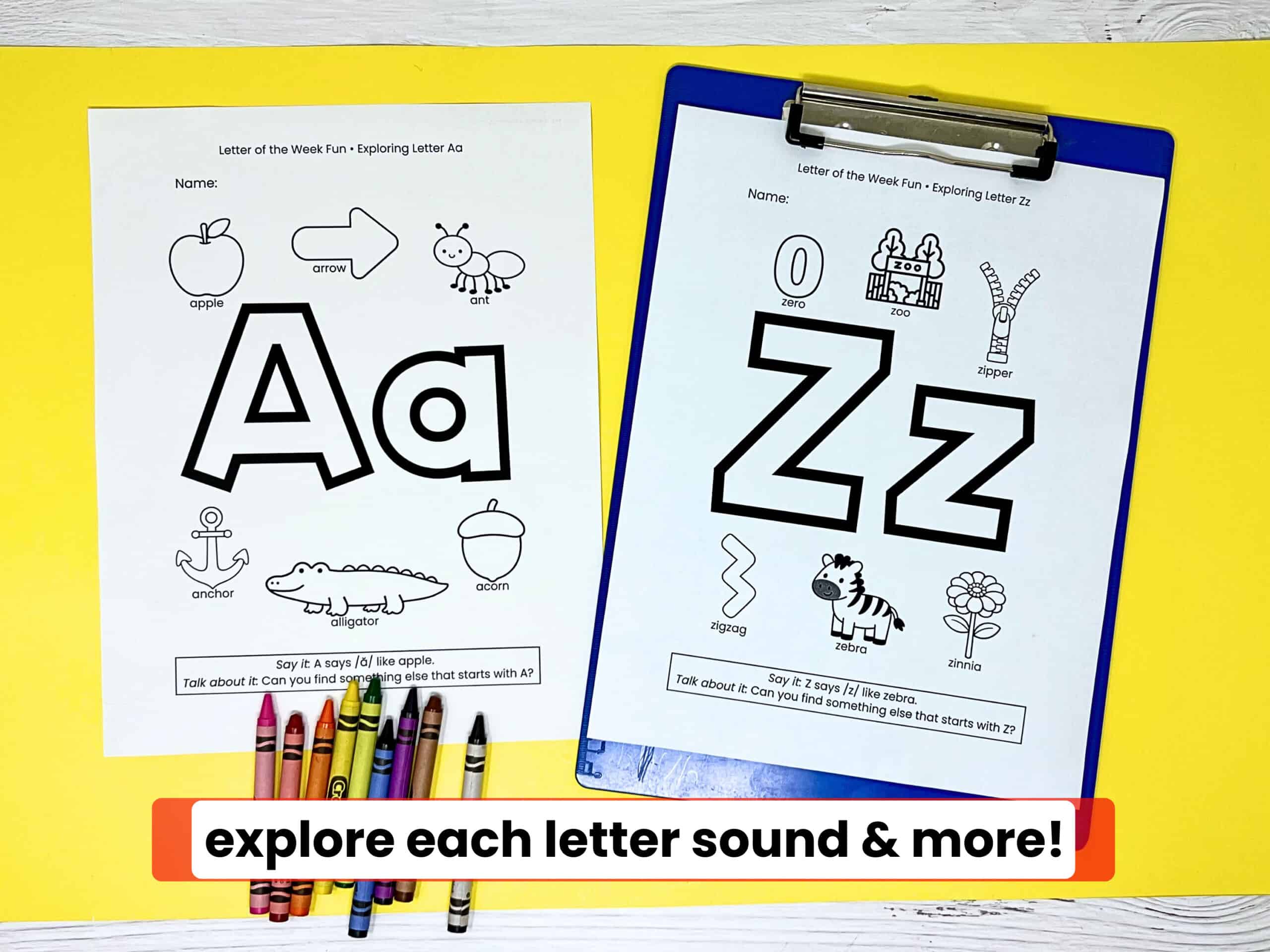
- Explore the Letter:
- Start by helping kids become familiar with the shape and sound of the letter.
- Look at the uppercase and lowercase forms.
- Practice the letter sound together.
- Think of words that begin with that letter.
You might point out the letter in books, on signs, or around your home. These little moments of discovery help children start noticing letters naturally in their everyday environment.
- Practice Letter Skills: Short practice activities can help reinforce letter recognition and early writing skills.
- Trace letters
- Circle matching letters
- Connect dots to form the letter
At this stage, the goal isn’t perfect handwriting. Instead, these activities help children become comfortable seeing and forming letters.
- Create with the Letter:
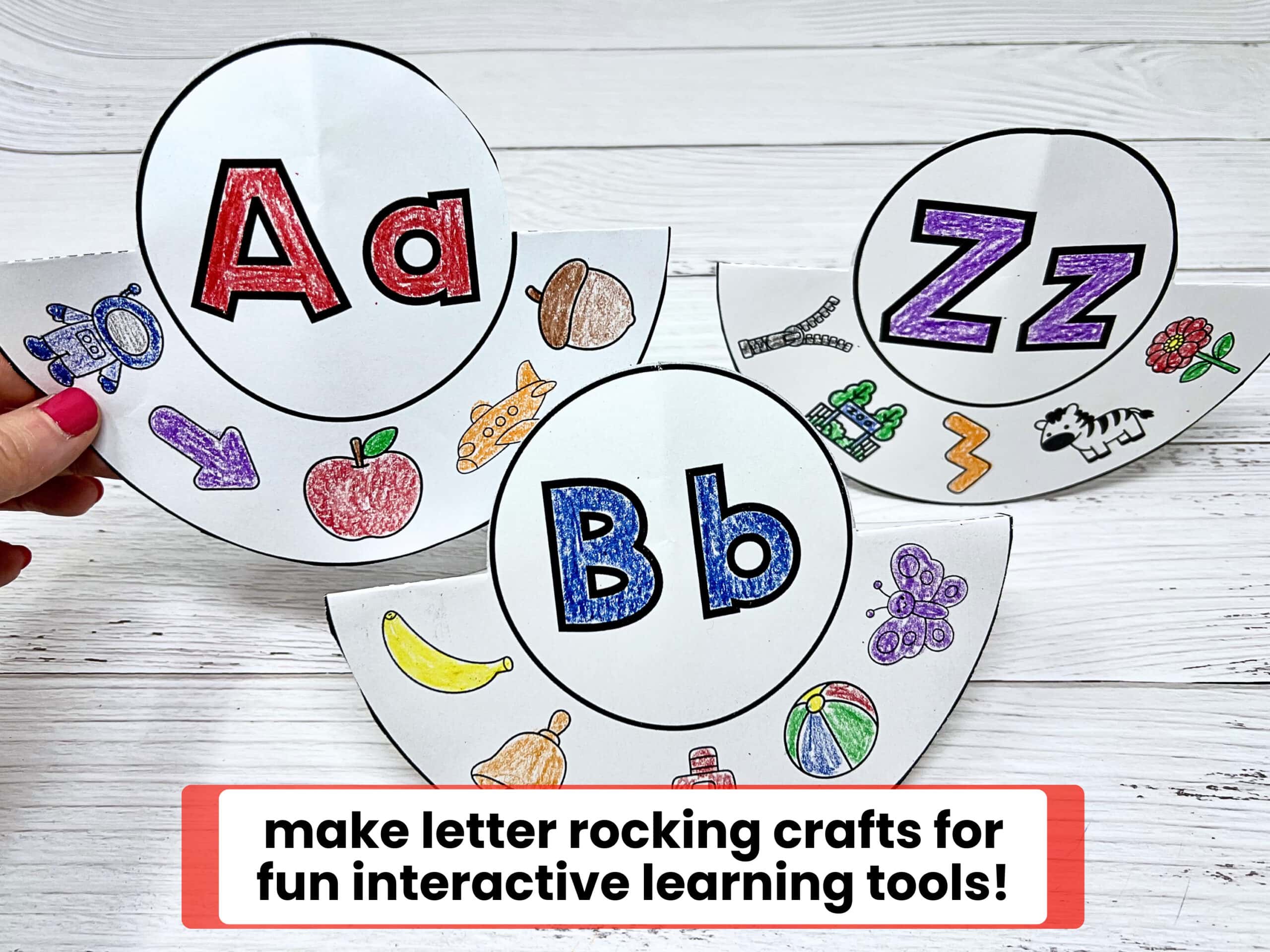
- Decorate a large letter with crayons, markers, stickers, torn paper, or fingerprints.
- Try simple crafts that connect to the letter. For example, make an apple craft for the letter A or a butterfly for the letter B. These hands-on projects help strengthen fine motor skills while reinforcing the letter theme.
- Move with the Letter:
- Act out words that start with the letter
- Stretch their bodies to form the letter shape
- Play simple movement games
Adding movement keeps learning active and engaging, especially for young children who learn best through play.
Tips for Making Letter of the Week Fun and Relaxed
A letter of the week routine doesn’t need to feel rigid or overwhelming. In fact, some of the best learning moments happen when things stay simple and playful. Here are a few tips that helped make our letter of the week activities enjoyable and stress-free:
- Keep Activities Short and Simple: Young children learn a lot from short and engaging activities. A quick craft, a little tracing, or a movement game can be more than enough to explore a letter for the day. There’s no need to fill every moment with lessons.
- Follow Your Child’s Interests: If your child becomes excited about something connected to the letter (like animals, foods, or favorite toys), lean into it! Following those interests can turn a simple letter activity into a fun learning adventure.
- Mix Learning with Play: Children often get the most out of an activity when they don’t even realize they’re learning. Combining things like crafts, movement games, books, and hands-on materials helps keep alphabet learning fun and engaging.
- Adapt Activities for Different Ages: Letter of the week activities can easily work for a range of ages. Younger children might enjoy decorating letters or listening for sounds, while older children may want to practice writing or think of more words that start with the letter.
The goal isn’t perfection with your letter of the week activities. It’s simply helping children become familiar with letters while building confidence and curiosity along the way.
Printable Letter of the Week Resources
Want put these ideas into action but not sure exactly how to go about it? Well, I’ve got some printable activities can make letter of the week learning simple and stress-free.
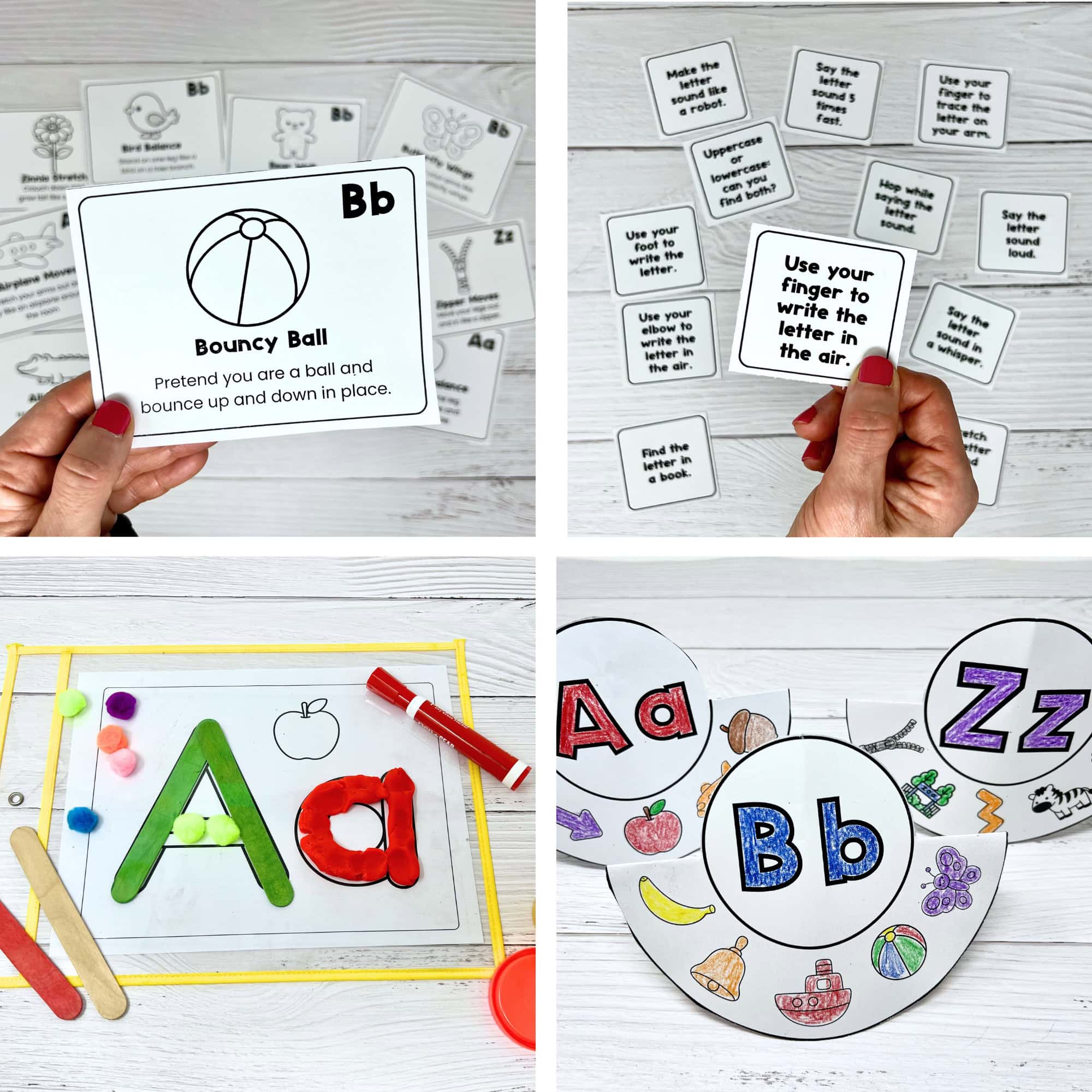
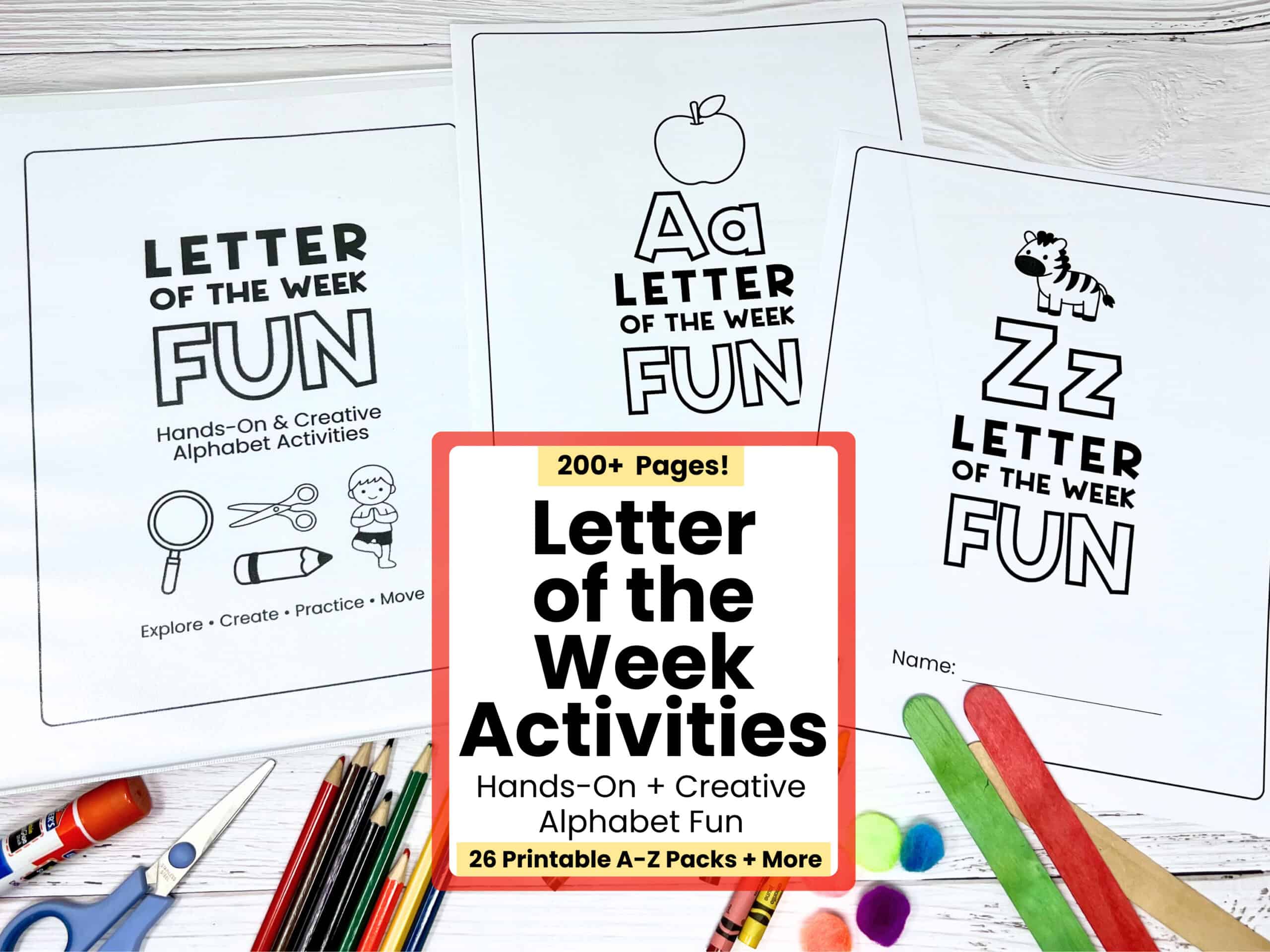
I created my Letter of the Week Fun Activities Pack to give families a variety of low-prep ways to explore each letter. Instead of searching for activities every week, you’ll have a full collection ready to print and use whenever you need it.
The pack includes 26 weeks of letter activities with a mix of hands-on learning and playful practice. Children can explore letters through tracing, crafts, movement activities, and simple skill-building pages.
Some of the activities include:
• letter tracing and writing practice
• fun alphabet crafts
• simple movement activities
• coloring and creativity pages
• engaging hands-on learning ideas
These types of activities help children build letter recognition, fine motor skills, and confidence with the alphabet while still keeping learning relaxed and fun.
Letter of the Week Activities Fun System is designed to be print-and-go, making it easy to add to your homeschool routine, preschool activities, or learning time at home.
Letter of the Week Can Be Simple and Fun
These activities don’t have to be complicated or expensive to be effective. In fact, some of the best learning happens through simple moments of play, creativity, and exploration.
By focusing on one letter at a time, children have the chance to become familiar with the alphabet in a relaxed and natural way. Little activities throughout the week (like crafts, movement games, tracing pages, and everyday conversations) can help build confidence with letters while keeping learning enjoyable.
Remember, you don’t need a perfect plan or a packed schedule to make learning meaningful. A few fun activities, a little curiosity, and time spent learning together can go a long way.
And most importantly, make it work for your crew. Every child learns a little differently – and the flexibility of letter of the week activities makes it easy to adjust things to fit your family.
If you’re looking for an easy way to get started, make sure to get the Letter of the Week Fun Activities Pack for simple print-and-go ideas that make alphabet learning fun.
Save These Letter of the Week Activities for Later
If these letter of the week activity ideas look helpful, be sure to save this post so you can come back to it anytime you need alphabet learning inspiration.
It’s a great resource for:
• homeschool preschool
• kindergarten learning at home
• preschool classrooms
• fun alphabet learning activities