


Social-emotional learning activities for kids don’t have to feel complicated or time-consuming. In fact, some of the best SEL moments naturally happen. For example, when you talk about feelings, practice taking turns, or help your child calm their body after a tough moment.
As a homeschool mom of five boys, I’ve learned that these everyday moments build emotional strength and more. And the good news? You’e probably already doing more SEL than you realize.
If you’d love easy ways to add calm, connection, and fun to your days, you’re in the right place. These simple SEL activities are stress-free, low-prep, and perfect for busy families. Oh, and make sure to grab your free SEL Activities Checklist to make it even easier!

Why Social-Emotional Learning Matters to Me
Before I became a mom, I worked as a mental health therapist supporting children and families in homes, classrooms, and counseling offices. No matter where I was or who I was helping, one thing always stood out:
Simple and relatable social-emotional activities made the biggest impact.
Not complicated charts. Not long behavior plans. Just everyday moments that helped kids notice their feelings, practice skills, and grow in confidence and connection.
When my boys came along, I naturally carried all of that into our family and homeschool days. Over the years, we’ve used these activities (like growth mindset) to work through big feelings, build stronger relationships, handle tricky moments, and celebrate progress.
And now, I’m excited to share them with you. I want to help you enjoy the benefits of social-emotional (SEL) activities for kids, too!
What Is Social-Emotional Learning?
SEL can sound fancy or complicated, but at its heart, it’s really simple:
Social-emotional learning helps you understand your feelings, make good choices, get along with others, and learn how to calm your body and mind.
Here are the five SEL areas:
- Self-Awareness: Noticing feelings, body cues, strengths, and what makes us unique.
- Self-Management: Learning to calm big feelings, pause before reacting, and make thoughtful choices.
- Social Awareness: Understanding other people’s feelings and noticing someone else’s needs.
- Relationship Skills: Practicing communication, teamwork, kindness, and cooperation.
- Responsible Decision Making: Thinking through choices, solving problems, and understanding consequences.
And what’s awesome is that you can learn and practice these skills through small moments sprinkled throughout your day!
Simple SEL Activities You Can Try Today
Here are some real-life examples of easy social-emotional learning activities for kids that fit naturally into busy days (at home or in the classroom). You’ll find these ideas and more on the free printable checklist (learn how to get at the bottom of this post):
- Self-Awareness
- Pick a color to describe how you feel. Tell why you chose that color and what it means.
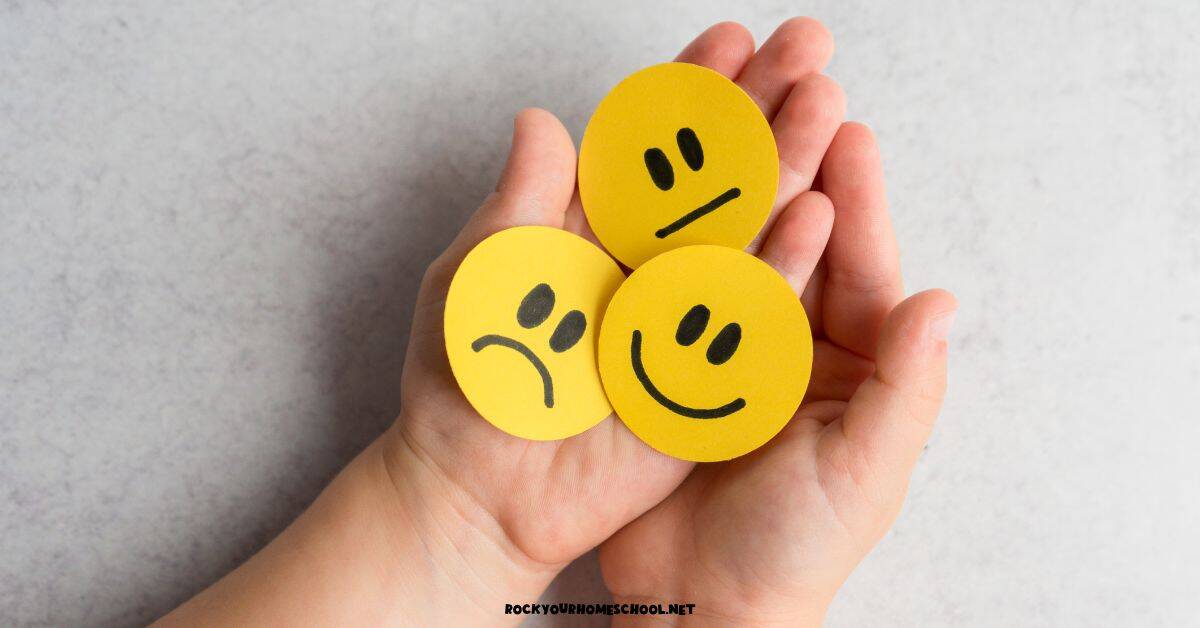
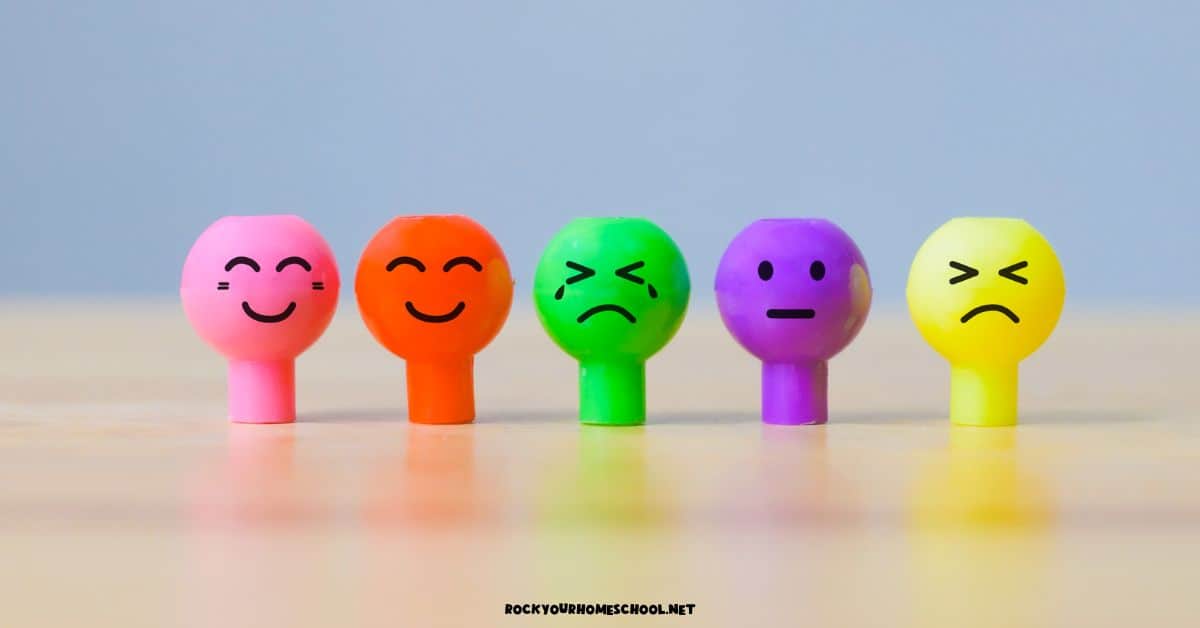
- Draw a mood face
- Ask: “How does your body feel right now?”
- Celebrate a win from the day
- Self-Management
- Try bubble breathing together
- Count to 10 before responding to a situation
- Create a calm-down corner or cozy spot
- Stretch or shake out sillies
- Social Awareness
- Notice how a character in a book feels and talk about their word choices, emotional expressions, and behaviors
- Spot kind actions
- Play facial expression guessing games
- Practice empathy with “How would you feel if…?”
- Relationship Skills
- Take turns choosing activities
- Build something together as a team
- Role-play a scenario where you share or ask for help
- Listen without interrupting during a short story
- Responsible Decision-Making
- Use “What would you do if…?” scenarios
- Make a quick pros/cons list
- Sort choices into helpful / not helpful
- Plan a small goal for the next hour
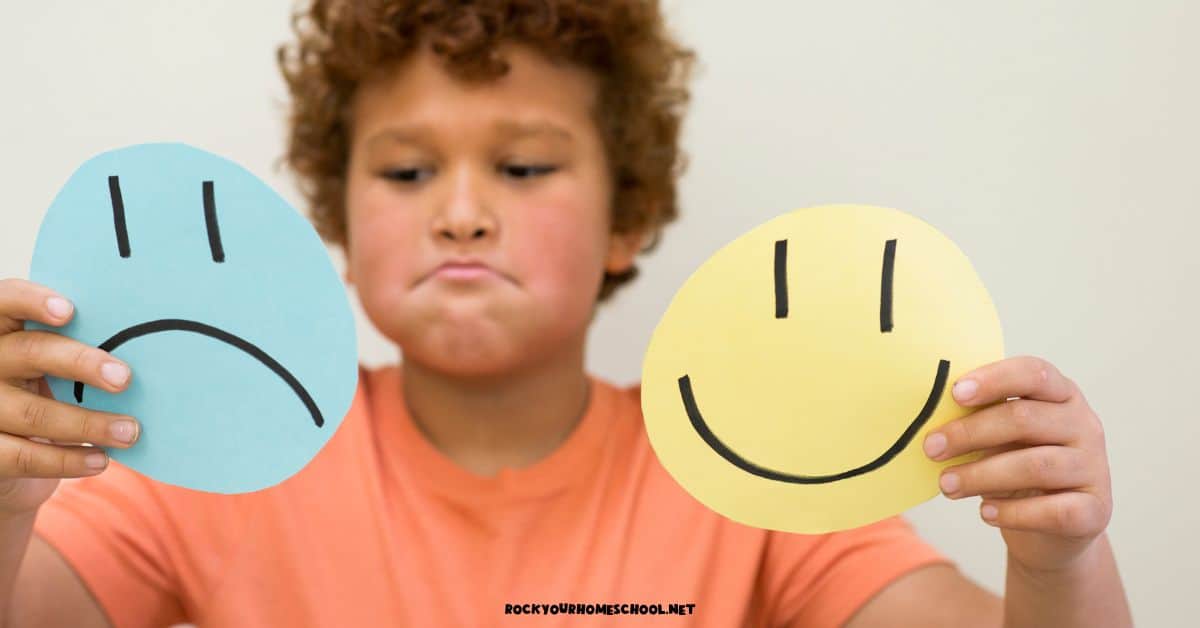
Why Social-Emotional Learning Activities Are Important
Big emotions, strong personalities, and different learning styles pop up daily in life. It can be tough trying to figure out yourself, let alone someone else! SEL helps kids:
- communicate better
- handle frustration or overwhelm
- care about others’ feelings
- become more independent
- make thoughtful choices
- build confidence in who they are
And honestly? It just makes your days smoother, calmer, and more connected too.
Fun Ways to Bring SEL to Life (Without Extra Prep)
The best social-emotional learning and practice happens during small moments. Here are a few easy ways to weave it naturally into your day:
- Add a feelings chart to your morning routine
- Use “pause and breathe” during transitions
- Build teamwork into chores or cleanup
- Pick one SEL moment to focus on during bedtime routine
- Turn car rides into “talk time” or gratitude sharing
- Role-play problem-solving during playtime
When SEL is hands-on, playful, and connected to real life, kids naturally absorb it and benefit.
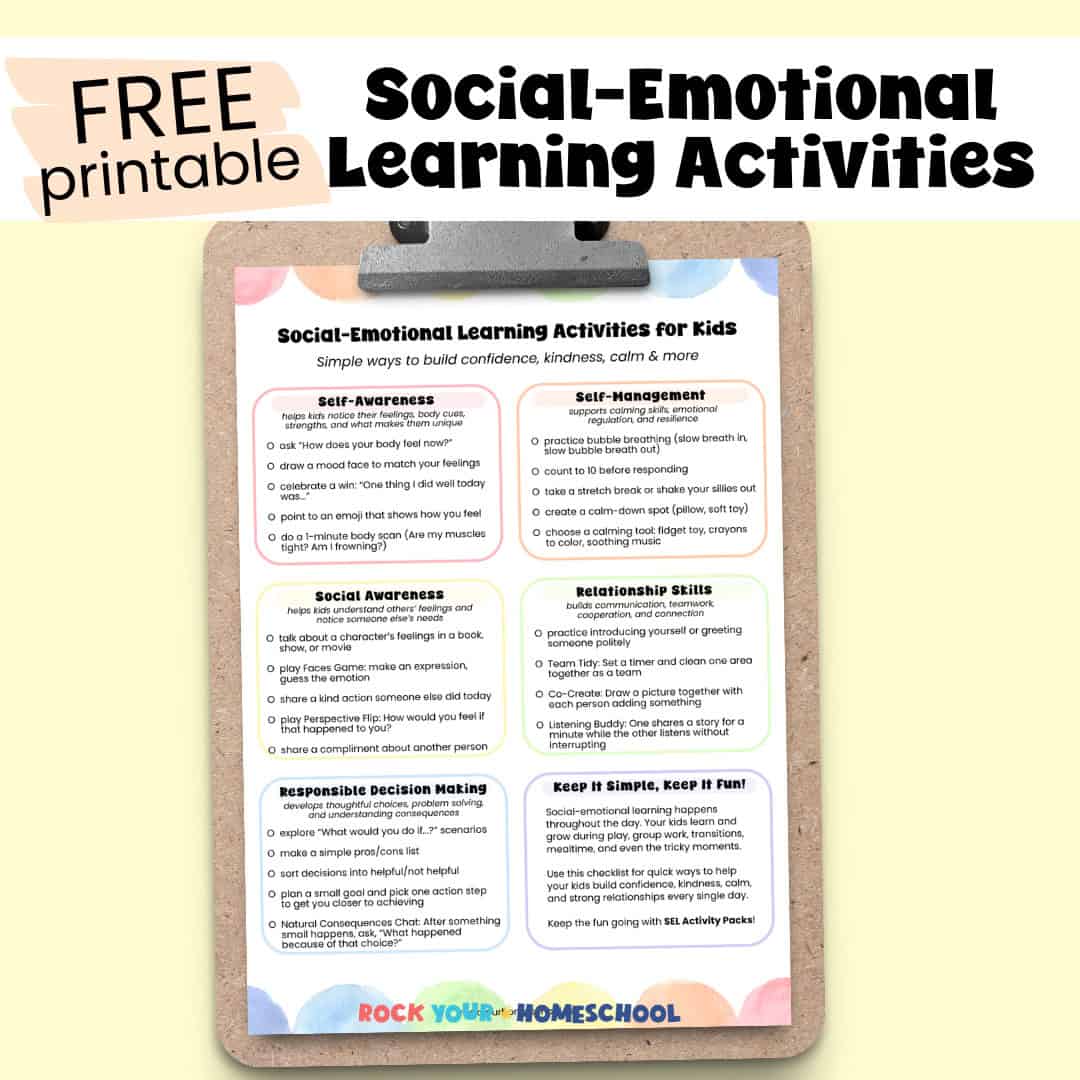
Grab Your Free Social-Emotional Learning Activities Checklist
To make SEL simple and doable, I created a free one-page checklist filled with quick ideas you can use anytime at home, in your homeschool, or in the classroom.
Inside you’ll find:
✨ 25 SEL ideas
✨ color-coded skills (super easy to scan!)
✨ kid-friendly ideas you can use in just minutes
Print it once, use it all year!
You can print out as many copies as you need to enjoy for personal use and classroom use. I ask that you please share this post with friends, family members, and co-workers that you think would like to have this resource. As they say, sharing is caring!
When you join the Rock Your Homeschool VIP Resource Library, you’ll receive this printable page in a PDF file in an email, in addition to a password to open the library to all RYHS freebies. You’ll also get emails with ideas and encouragement to make learning fun in our weekly email newsletter.
Get your free printable SEL Activities Checklist!
You don’t need special training or a long list of steps to teach and enjoy SEL. Every time you listen, notice, encourage, or guide your child through a feeling or challenge, you’re already doing it.
And with a few simple tools (like your new checklist!), you can make those everyday moments even more meaningful. You’ve got this and I’m cheering you on!
Do you have any questions for me about these social-emotional learning activities? Please let me know in the comments area at the bottom of this post.